
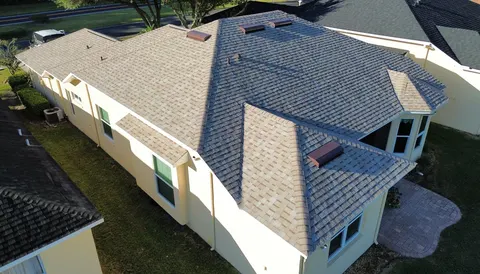
Roof Replacement
Full tear-off, decking inspected and repaired, then a complete system installed — usually one to two days on a typical Florida single-family home.
See detailsGuide
In Florida, architectural asphalt shingle realistically lasts about 15–20 years despite a 25–30 year rating, and 3-tab about 10–15. Concrete tile lasts 40–50 years and clay 50 to 75-plus, but the underlayment beneath both is the real clock and needs replacing at 20–25 years. Standing-seam metal runs 40–60-plus; exposed-fastener metal 25–40. Flat TPO gives 15–20 and modified bitumen 10–20.
Step 1 of 2
Pricing your roof…
One momentThey will want to walk the roof: the drainage, the access and the deck are what price a flat system, and none of it shows up from the air.
One contract, one company responsible — JAC is a licensed general contractor as well as a roofer.
You are outside Tampa Bay and Central Florida, so this is a call rather than a price. Someone will tell you straight whether we can get to you.
If we cannot, we will say so and point you at someone who can. A roofer who drives two hours to a job is a roofer who is not there when it leaks.
A roofer from the Tampa Bay office will call you to book your free inspection. You get the same written roof report, photographed slope by slope, and a fixed price once someone has actually been on the roof.
We do not show an instant price on the Gulf Coast. The aerial pricing tool only covers Central Florida, and a number we cannot stand behind is worse than no number at all.
Nobody turns up unannounced. An estimator calls you at a time you agree to, with the price.
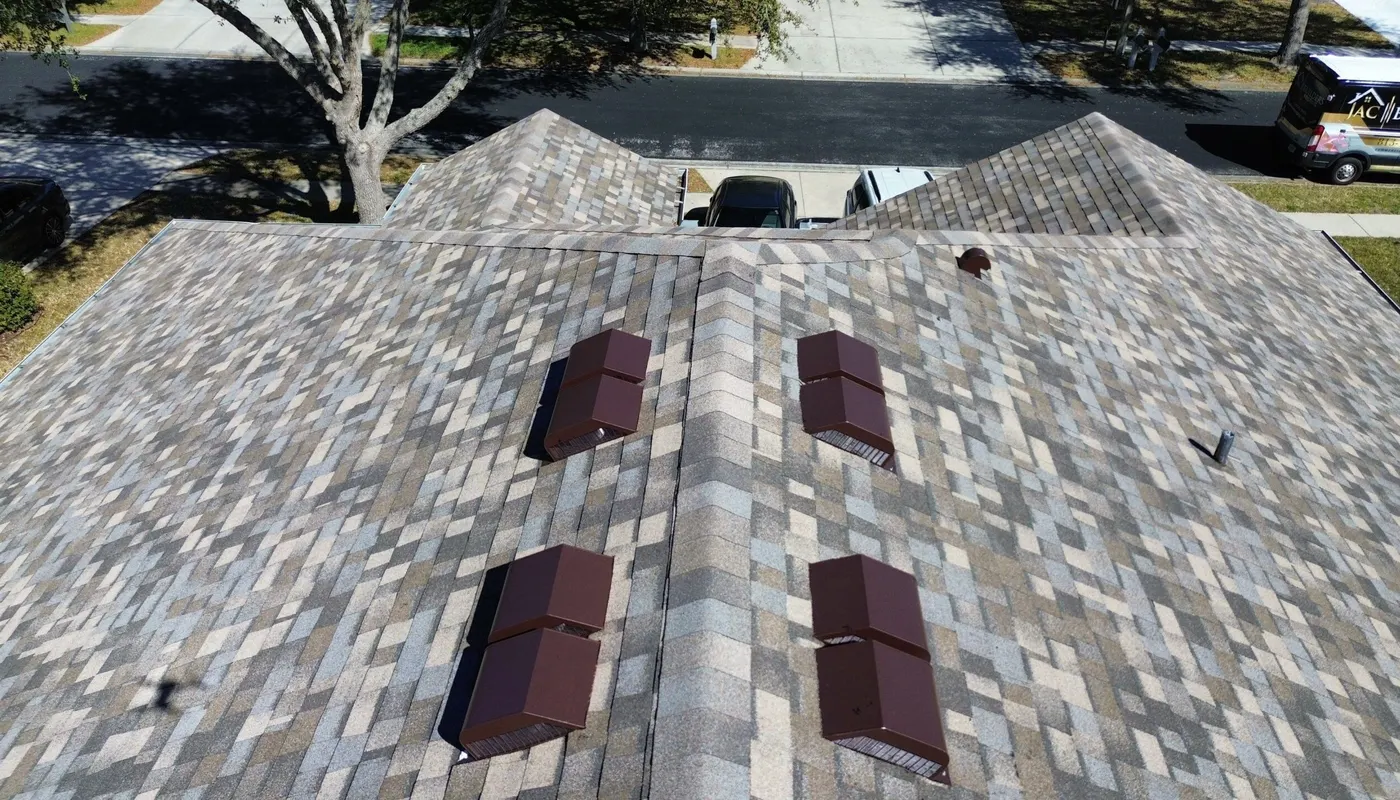
Manufacturer ratings come from test conditions, not from the Gulf Coast. InterNACHI publishes a separate life-expectancy chart for Florida homes precisely because of it — 3-tab shingle drops from 20 years nationally to 10–12 in Florida, architectural from 30 to 15–20, modified bitumen from 20 to 10. That is roughly a 40–50% haircut, from a third party rather than from a roofer. Shingle surface temperatures exceed 180°F in a Florida summer and there is no winter recovery period: roughly ten months of meaningful UV a year against a northern roof's seasonal break.
Those downslope streaks are Gloeocapsa magma, a cyanobacterium that feeds on the limestone filler in shingle granules. Its colonies hold moisture against the shingle surface and it forms a dark UV-protective sheath, which is why it reads as black rather than green. Tampa Bay sits around 75% relative humidity year-round and tops 88% on summer mornings — close to ideal colonisation conditions. Algae-resistant shingles and zinc or copper strips at the ridge are the preventive answer.
An under-ventilated attic can cut shingle life close to in half by cooking the shingles from underneath. Balanced soffit intake and ridge exhaust is the cheapest life extension available on any Florida roof.
The tiles will very likely outlive you — InterNACHI's Florida chart puts tile at 80-plus years. The felt or synthetic beneath them will not: 20–25 years for a self-adhered or two-ply synthetic system, and 8–12 for organic felt. This is why lift-and-relay — remove the tiles, replace the underlayment, put the same tiles back — is such a large part of Florida roofing, and why a 35-year-old tile roof can be perfectly sound or completely finished depending on one invisible layer.
Within a mile or two of the Gulf, exposed fasteners, galvanised steel and cheap flashing corrode years early. The mechanism that matters is not cosmetic: a fastener that has lost section area to corrosion fails at a fraction of its design uplift load, so a coastal roof with a twenty-year-old fastener set is more exposed in a storm than its age suggests. Coastal jobs want aluminium, stainless fasteners and heavier coatings — a real cost difference worth paying once.
Rarely the field material wearing out evenly. Usually a storm that breaks the seal on half the shingles, a pipe boot that failed five years ago and wet the decking quietly, or underlayment that got brittle while the surface above it still looked new.
Need this doing rather than reading about? Free Roof Inspection — Free · written report, you keep it.
Check the permit record with your city or county building department — a re-roof requires a permit, and the record is public. That's more reliable than a seller's recollection.
Marginally, and it reduces attic heat load. Ventilation matters considerably more than colour.
Yes — annual inspection, keeping debris off, replacing pipe boots proactively, keeping trees cut back, and fixing small flashing issues before they wet the deck. None of it is expensive compared with replacement.
Full tear-off, decking inspected and repaired, then a complete system installed — usually one to two days on a typical Florida single-family home.
See details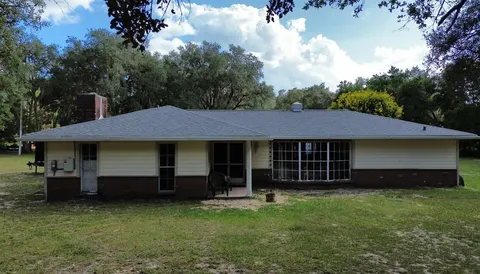
Pipe boots, lifted ridge cap, failed valley flashing, cracked tiles. We fix what is broken, and say so plainly when a repair is only buying months.
See details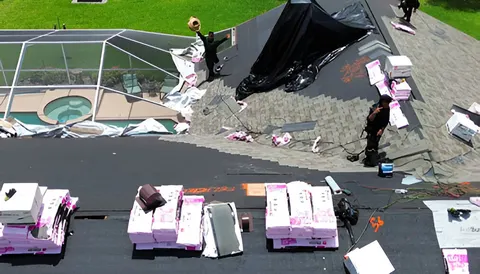
Tarp and dry-in first, then photograph the roof plane by plane and put it in writing — a report you can hand straight to your insurance carrier.
See details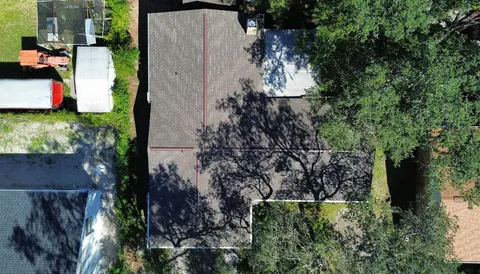
A written, photographed report on every slope, flashing and penetration, with the remaining life. Free, and yours to keep whether you hire us or not.
See details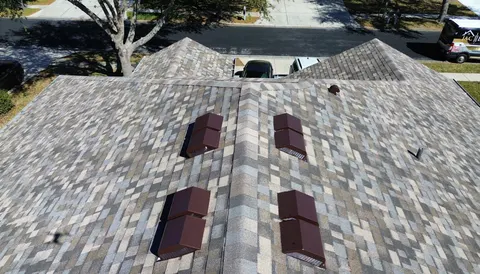
Architectural shingle installed as a complete system: underlayment, fastening pattern, metal and ventilation. Owens Corning Platinum Preferred.
See details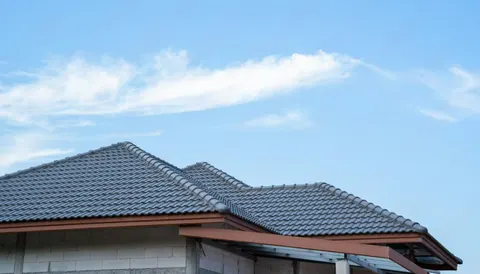
On tile the underlayment is the waterproofing, so most Florida tile work is re-underlayment: tiles off, a new system down, the same tiles back on.
See details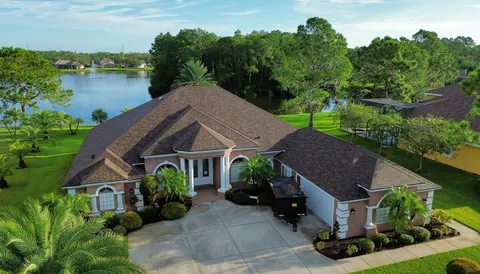
Standing seam and 5V crimp — 40 to 70 years, high wind ratings, and it sheds heat instead of holding it. Two to three times shingle up front.
See details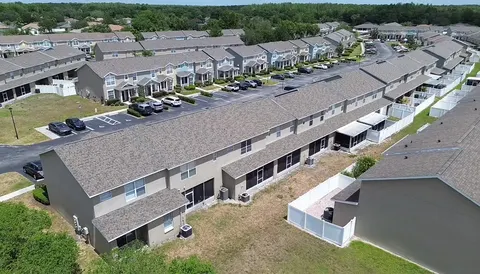
TPO, modified bitumen and flat systems, phased building by building so tenants keep trading and every unit is dried in before we leave each night.
See details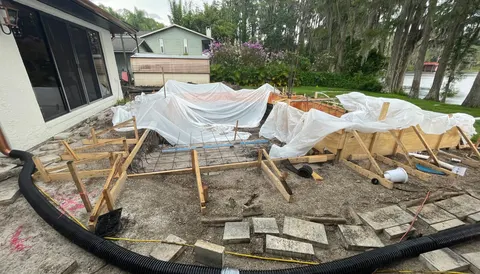
Gutters, soffit and fascia, re-roofing under an existing solar array, and the interior damage under a leak. We hold the general contractor's licence, so it is one contract, not two.
See detailsMon–Fri 8am–5pm · Sat 8am–12pm · storm and active-leak calls answered after hours. Call Tampa Bay on (813) 920-9644 — or send your address and we'll come and look at it.